Party Hard: The Story After 91st Place
- I want to be an indie developer.
- I want to be an indie game developer.
- But I have no game development experience.
So first, let's look at how others did it.
Today I'm covering an indie game story that is both atypical and extremely typical — Party Hard.
It's atypical because it lacks the legendary drama the press loves:
- No Stardew Valley story, where Eric Barone locked himself away for four and a half years while his girlfriend paid the bills;
- No Binding of Isaac arc, where high-school dropout Edmund McMillen willed a hit into existence through sheer weird genius;
- No Cuphead gamble, where the Moldenhauer brothers mortgaged two houses and nearly went broke;
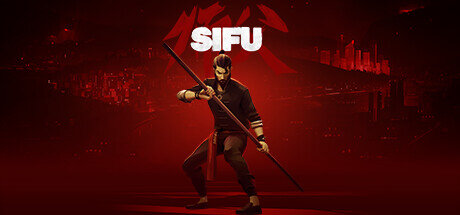
- And no Sifu story, where Sloclap's ex-Ubisoft veterans walked out the door with pedigree and funding already in hand.

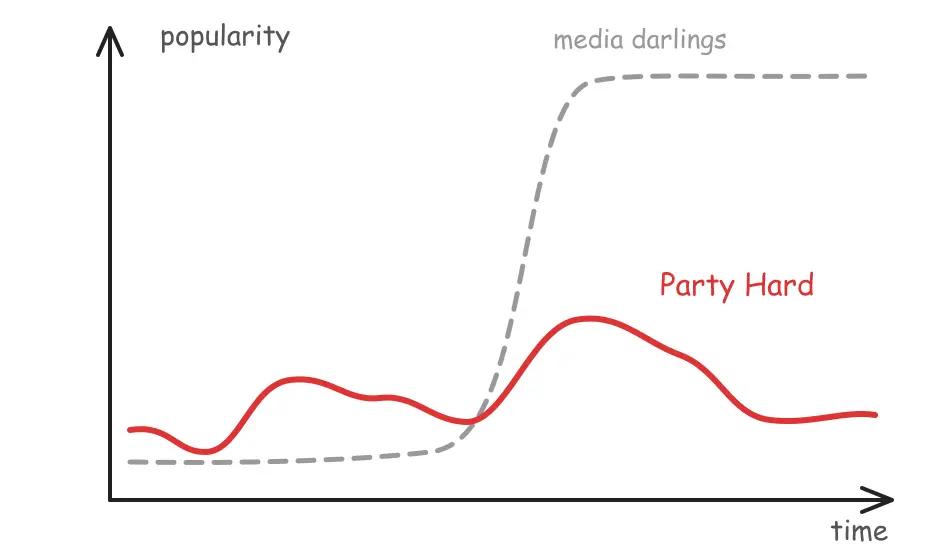
On paper, its story is almost plain.
It's typical because it reflects the experience of thousands of real indie developers: lows that aren't too low, highs that aren't too high. The fatigue of commercial work, a lucky break now and then, the mess of all-night crunch, and stretches of stagnation and compromise. Somewhere in its ups and downs, you can usually see yourself.
A 91st-Place Prototype
Party Hard's story starts with a game jam in late 2014. The indie community Game Jolt ran it together with YouTuber PewDiePie under the name "Indies vs PewDiePie".
Entrants had 72 hours to finish a game on the theme "Fun to Play, Fun to Watch." The brief leaned hard into streaming and shareability, and the prize was tempting: the top ten games would get a let's-play on PewDiePie's main channel. For a small studio, that kind of exposure is hard to come by.
Our protagonists, Pinokl Games, were a Ukrainian team founded in 2011. They were not newcomers. The studio had spent years building web-based social games for the Russian social network VKontakte (VK), racking up more than 15 million installs. As mobile took off, they moved into mobile development too.

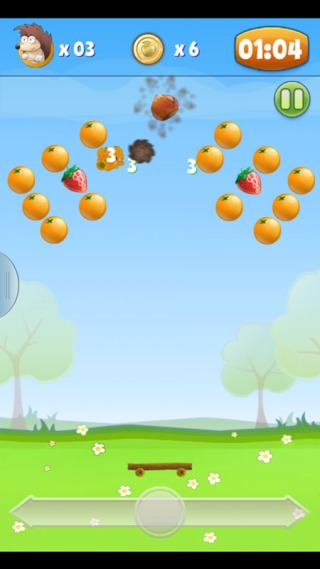
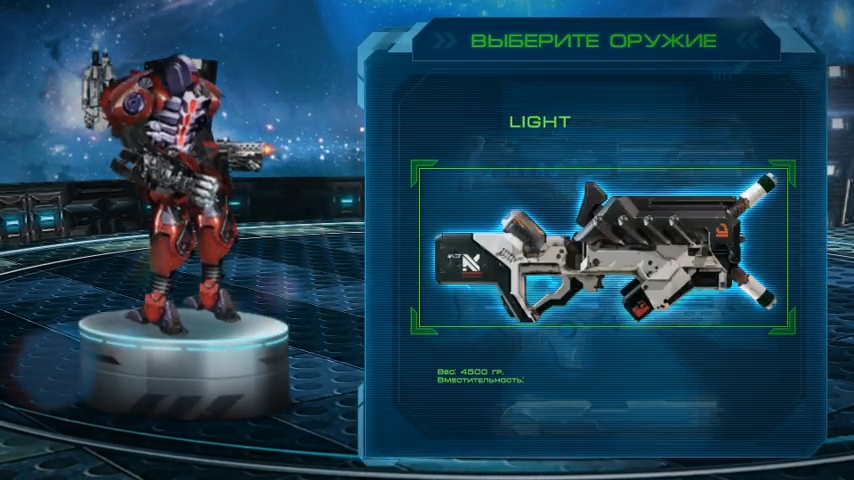
These early titles show a team with real production experience:
- Subject matter: commercial work spanning casual puzzle, fighting, and mecha games — broadly mass-market;
- Technology: mostly Flash early on, then Unity and other tools through the mobile projects.
Many press accounts describe Party Hard as Pinokl's pivot from family-friendly games to dark, violent material. A review of the team's earlier work shows their taste for dark comedy was visible well before Party Hard existed.
In 2013, at Ludum Dare 27, Pinokl built a small game around the theme "10 seconds" called 10 sec. Fast Beef: you play a gory chef who has ten seconds to fling live animals onto hooks, impale them, send them through the oven, and turn them into burgers for customers. The absurd, cruel little game placed 54th overall out of 777 Jam entries.
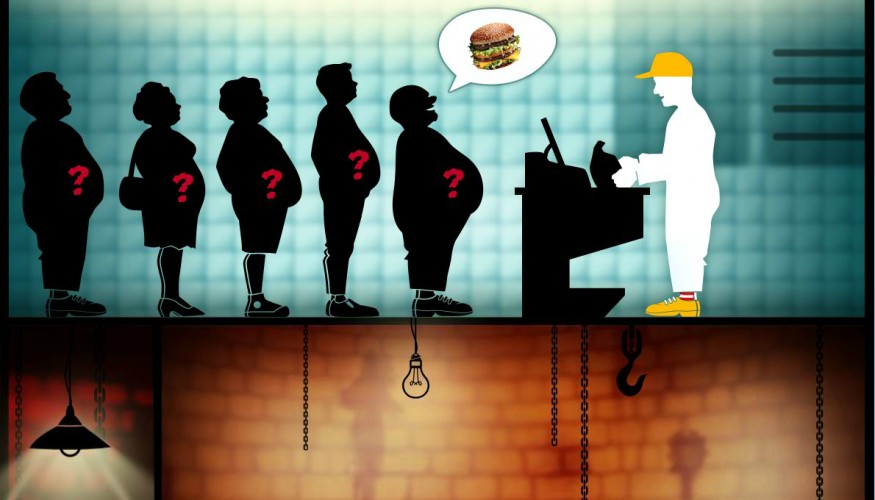
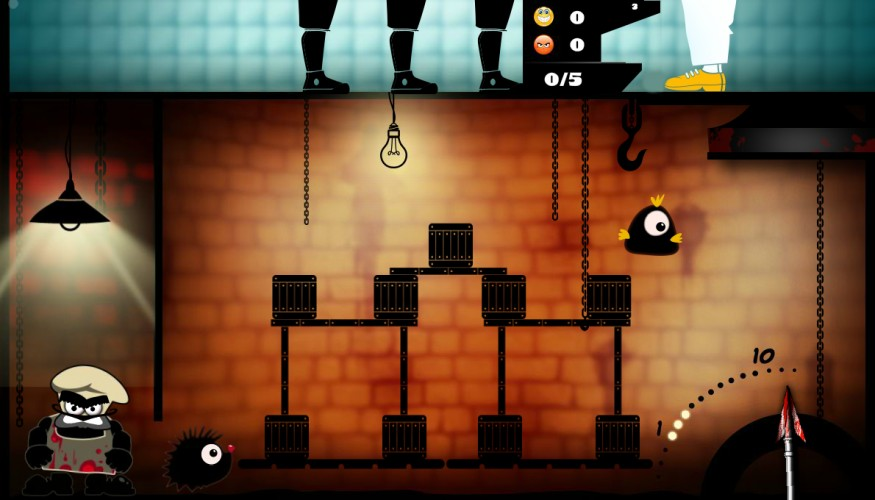
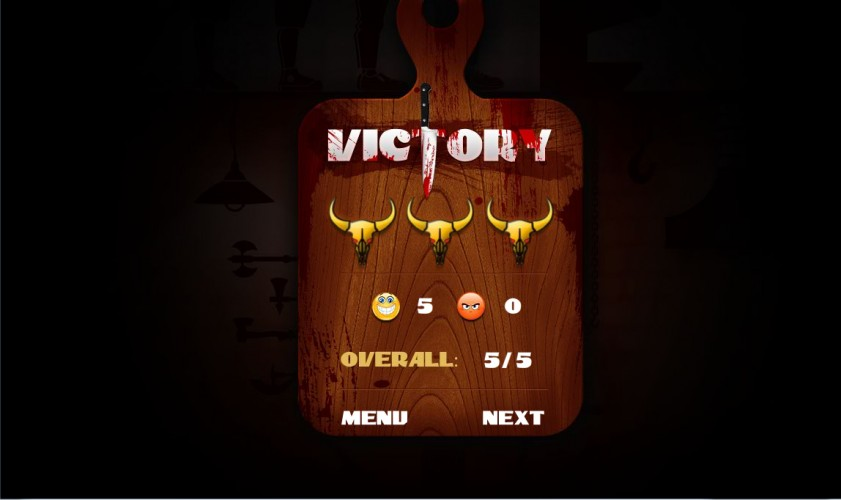
From 10 sec. Fast Beef to Party Hard, the creative instinct is continuous: wrap brutal violence in absurd rules, then play it for laughs with a light, goofy presentation.
At the time, though, that dark humor was just a jam experiment. Back at work, the realities of commercial game development were still waiting.
The mobile project Mecha Titans in particular had drained the team, and its market response was underwhelming. Long development cycles, cumbersome workflows, and endless metric-driven analysis wore them down. So when another game jam came around, a few of them decided to set the commercial work aside, clear their heads, and make something their day jobs never allowed.
This time it was Indies vs PewDiePie. Like Ludum Dare a year earlier, the jam was a chance to drop commercial concerns and just create. That weekend they threw out their usual roles and swapped jobs: programmers drew pixel art, the designer did audio, the producer wrote code. Over 72 hours of pizza, beer, and coffee, they built the first Party Hard prototype.
The demo was made entirely in Flash and had a single level. Its Game Jolt page has long since been taken down. I dug the files out of a Wayback Machine snapshot and got the dusty Flash demo running locally:
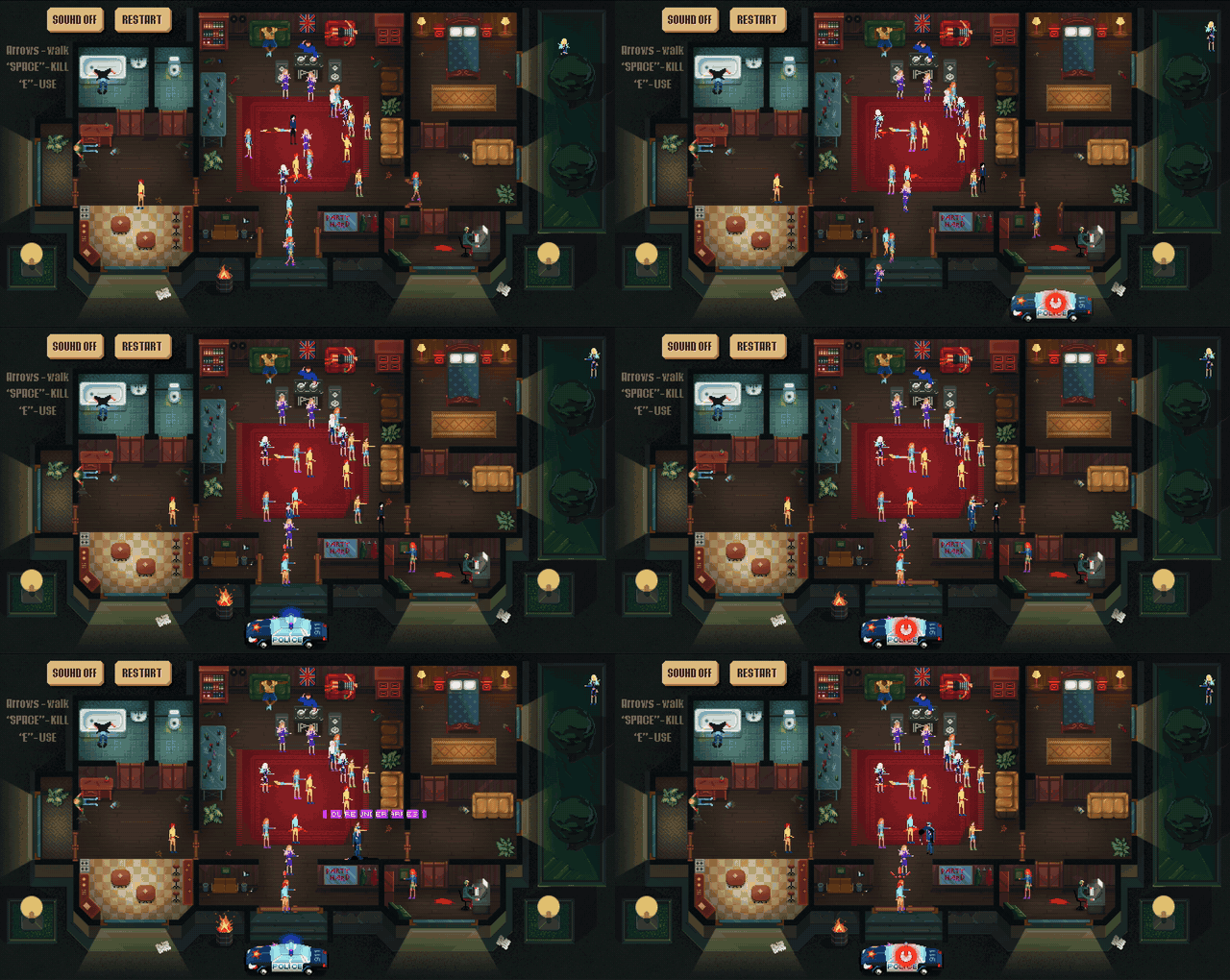
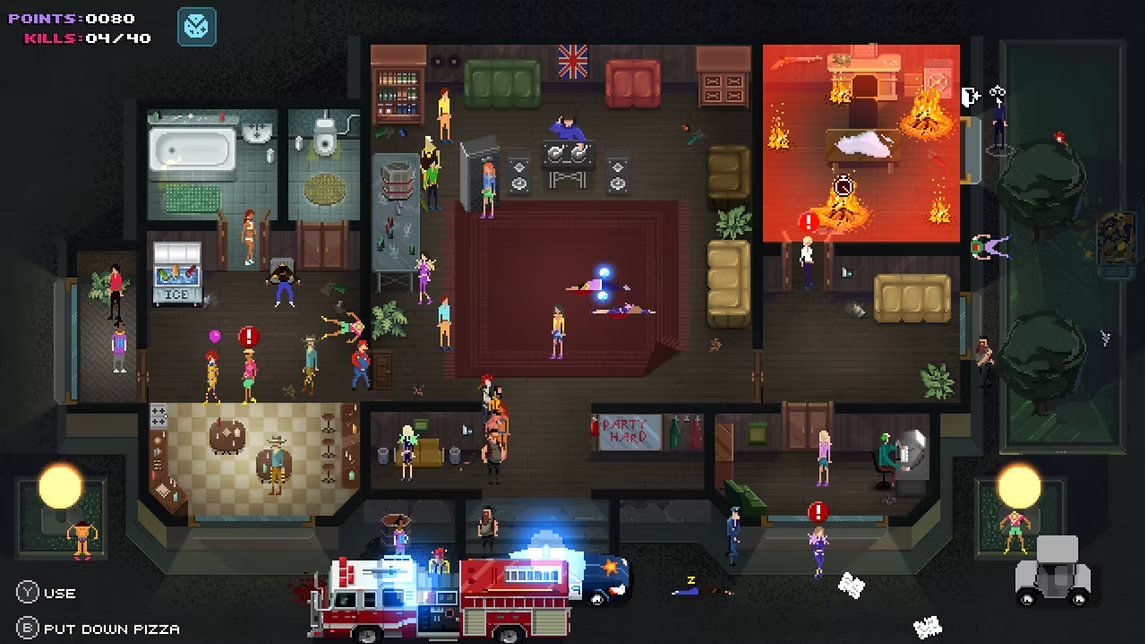
Built in only 72 hours, the prototype already had mature mechanics: kill everyone at the party without getting arrested. From the footage alone, the prototype is hard to tell apart from the shipped game.
At this point you might assume Party Hard's success was inevitable: an experienced team builds a promising jam prototype, takes a top spot, gets the biggest YouTuber in the world to promote it, and rides the wave.
Reality didn't follow that script.
Out of 725 entries, Party Hard finished 91st. Under the winner-take-all rules, only the top ten got a PewDiePie winners' video. PewDiePie did stream some random picks before the results came out, but Party Hard had no such luck.
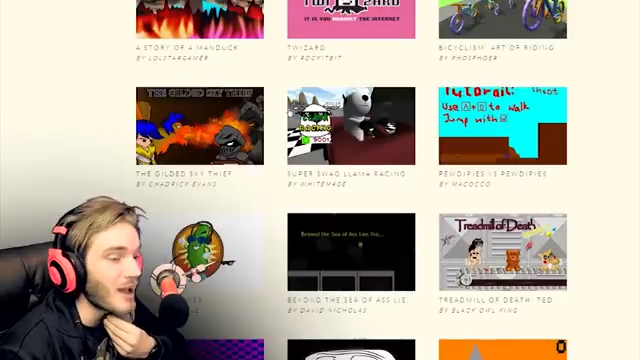
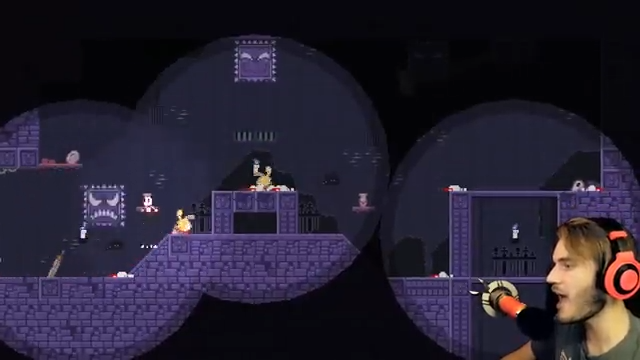
The jam wasn't a total loss, though. It still drew indie fans and YouTube creators, whose videos racked up around 2 million views within days.
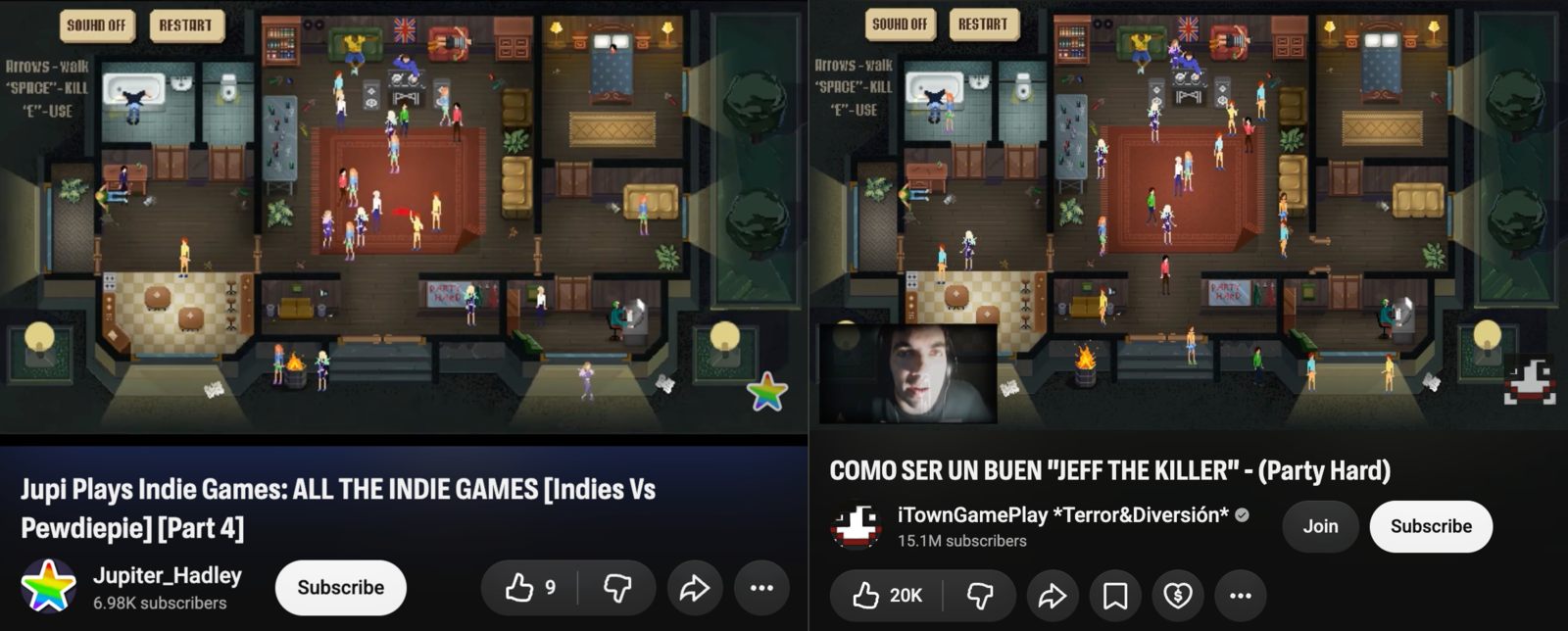
That positive response pushed the team to expand what had been a palate-cleanser demo into a full game.
Casual Connect and Meeting tinyBuild
The Flash version had plenty of performance problems and bugs. Over the next month, the team kept the pixel art and ported the game to the more stable Unity engine, polishing a complete, playable new level.
In February 2015 they took that Unity build to Casual Connect in Amsterdam, an industry event for casual and indie developers combining talks, business matchmaking, and an awards showcase.
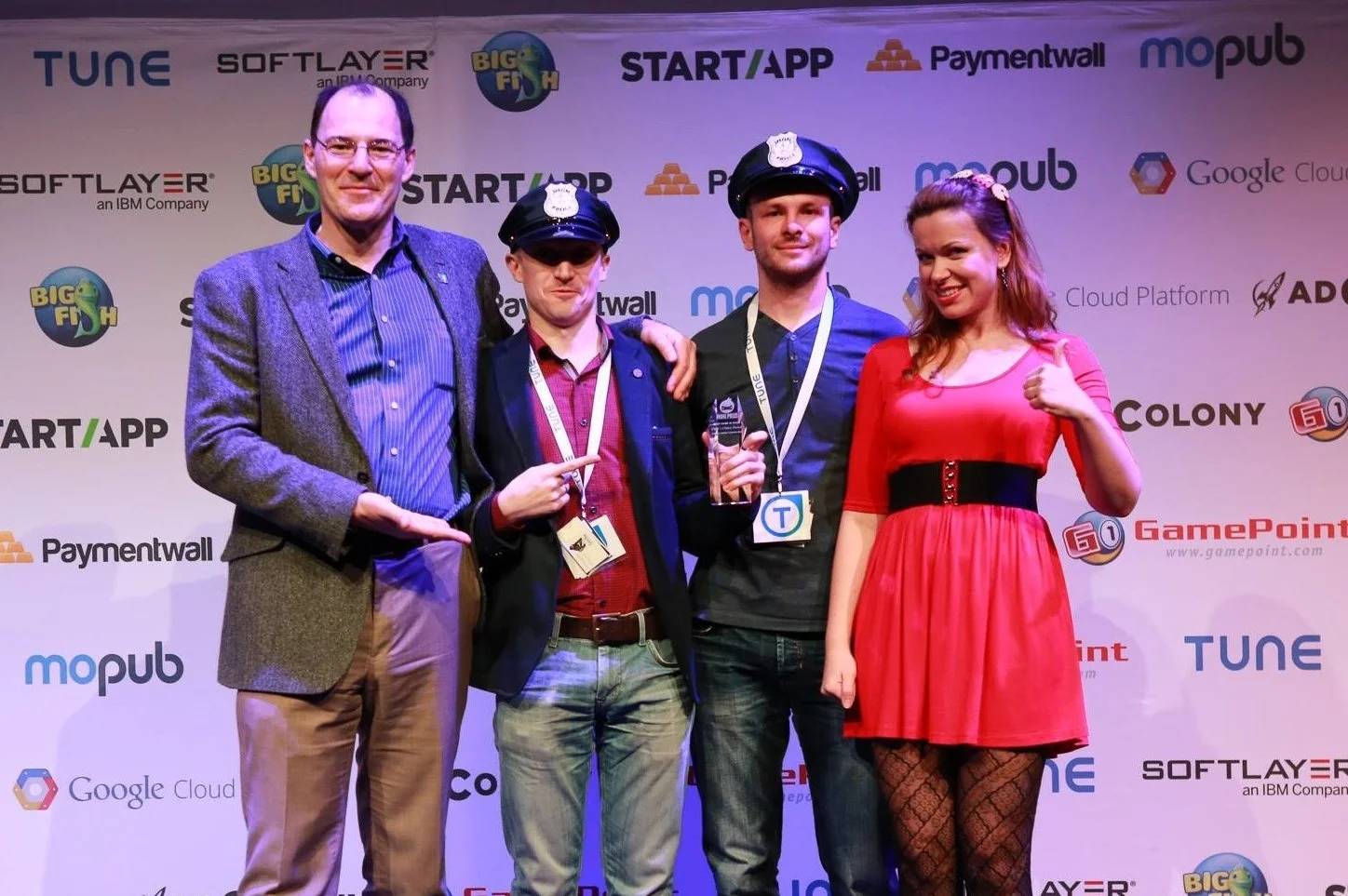
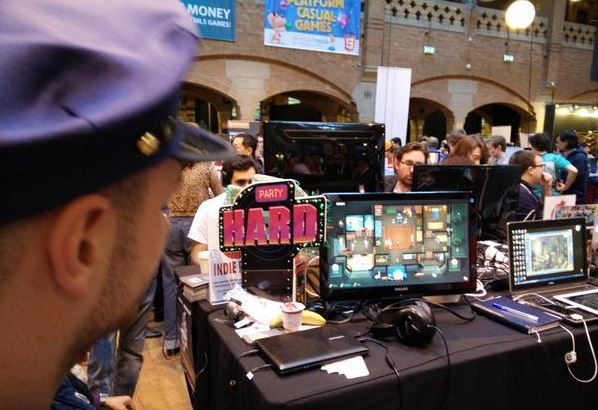
The trip paid off. Pinokl unlocked two key achievements:
- In the Indie Prize competition, Party Hard won the European Critics' Choice showcase award.
- On the business side, they met indie publisher tinyBuild, whose co-founder and CEO Alex Nichiporchik took a strong interest in the game.
tinyBuild was a grassroots outfit too. It had gotten its start with crowdfunding and SpeedRunners, and was then in early expansion. Its publishing instinct was distinctive: it looked for oddball games that were naturally fun to stream and to watch.
The way Alex discovered Party Hard was almost cinematic. A month earlier, a new neighbor had moved in next door — one who liked throwing parties late into the night. The 3 a.m. noise kept Alex from sleeping; talking did not resolve the issue, and he ended up calling the police several nights in a row. So when he saw a game where you deal with partygoers through absurd means, the concept resonated with him immediately.
And as a publisher, Alex noticed the game was fun to watch — even if you never played it, watching someone else set traps and dodge the police was entertaining on its own.
Near the end of the show, a few beers in, Alex grabbed a napkin and drafted a publishing deal on it. The little jam game found its publisher on a napkin.
tinyBuild would go on to publish Hello Neighbor, Potion Craft, and other well-known titles, and went public in 2021. But in 2015 it was still a young indie publisher. For Pinokl, this was both a chance encounter and a chance to work with a team whose startup story looked a lot like their own.
Burning the Design Doc: Iteration Loops After PAX East
With the deal signed, the two sides moved into full commercial development.
The demo had settled the core gameplay, but the final shape of the game was still open. The team initially leaned toward a hardcore Hitman-style approach: slow tactical stealth, chained traps, puzzle systems, and complex procedurally generated scenes, where the player had to work out a precise order of operations to clear a level.
In March 2015, tinyBuild took the game to PAX East, a consumer-facing expo, and landed a slot on the official Twitch stage, inviting streamer Jesse Cox to play live.
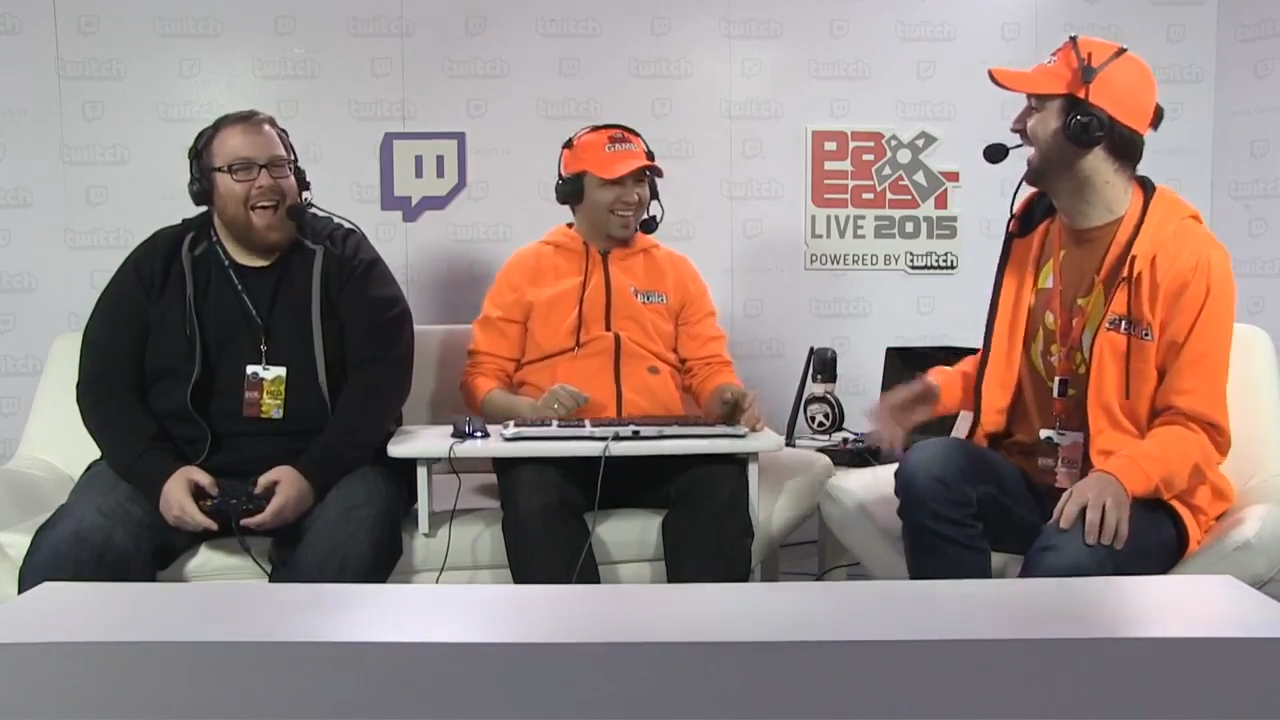
The crowd reaction, in the room and on stream, was strong. But the team noticed something: Jesse barely touched the game's elaborate mechanics, and still got the room going with simple, direct, chaotic interactions — bugs included.
The team promptly threw out the original design document and switched to an iteration loop built around streamer playtests. They sent new builds to streamers, watched recordings over and over, noted where players laughed and where they got frustrated, and tuned the next version accordingly.
Round after round of build, playtest, and review filled out the rules:
- Body disposal: players loved carrying corpses around, so hiding bodies in dumpsters and sewers became a core mechanic.
- Vision and suspicion: NPC sightlines and suspicion logic were made visible, cutting down on frustrating "arrested out of nowhere" moments.
- Distinct characters: different characters got exclusive items and abilities, giving one map multiple solutions.
- Shortcuts and the plumber: levels had windows and vents as quick escape routes, which players quickly used to shake off the police. Instead of sealing the shortcuts, the team added a distinctly Mario-like plumber NPC who nails them shut — and programmed the plumber to attack the player.
- The killer chicken: in the second level, a chicken meant to be background scenery had a bug that made it attack the player after witnessing a murder. The team kept the bug and turned it into a feature.
- Twitch chat integration: viewers could vote in chat to trigger events — a SWAT raid, or a bear loose in the party — tying the viewing experience directly to the game.
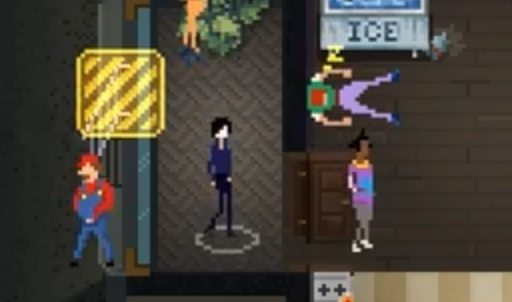
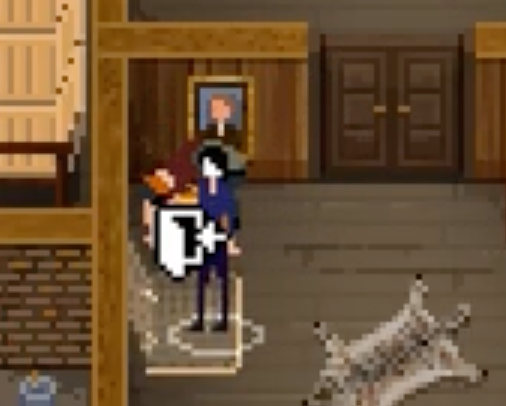
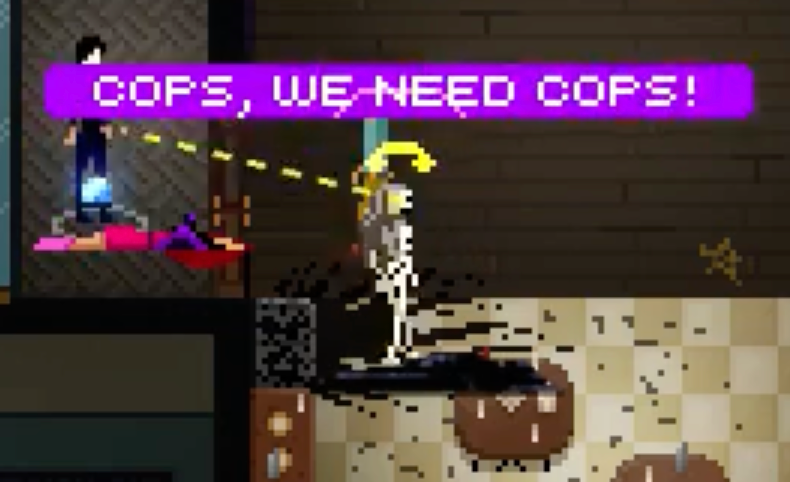
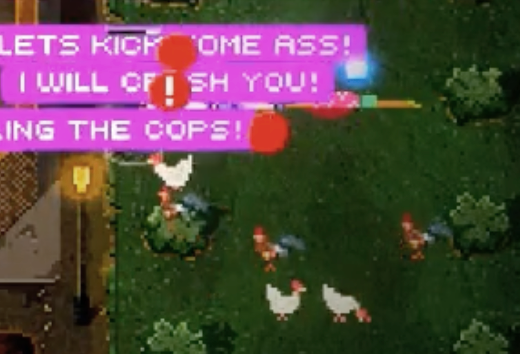
Together these mechanics created Party Hard's signature chaos. No single rule is complicated, but several rule sets running concurrently in a small space produce chain reactions nobody planned.
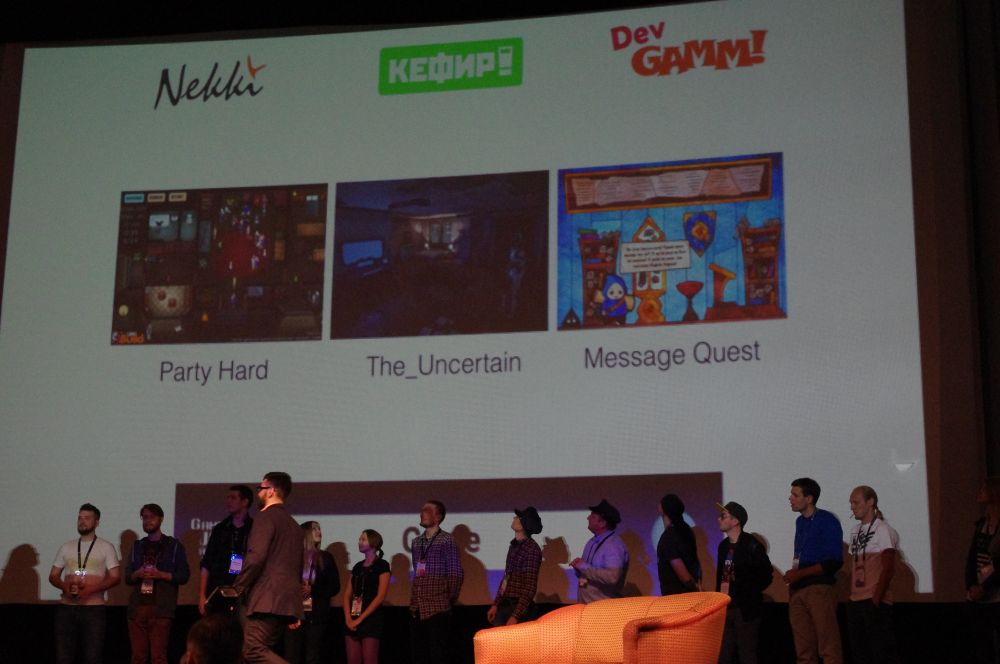
The same year, the team took the game to GamesJam Kanobu and won second place in the Best Game category.
Around Launch: From Breather to Crunch
Pinokl had entered the jam to take a break from heavy commercial work. Once the game became a real project, the team fell straight back into high-intensity crunch.
New builds kept needing to ship: fix what the last playtest exposed, then rush out new content for the next showcase. In the half year from PAX East to release, the team went back to all-night sprints. The team packaged the final build about three hours before launch.
On August 25, 2015, Party Hard launched on Steam.
The shipped assets still carry traces of that rush: the skeleton of an online multiplayer mode, NPCs that were never implemented, cut levels.
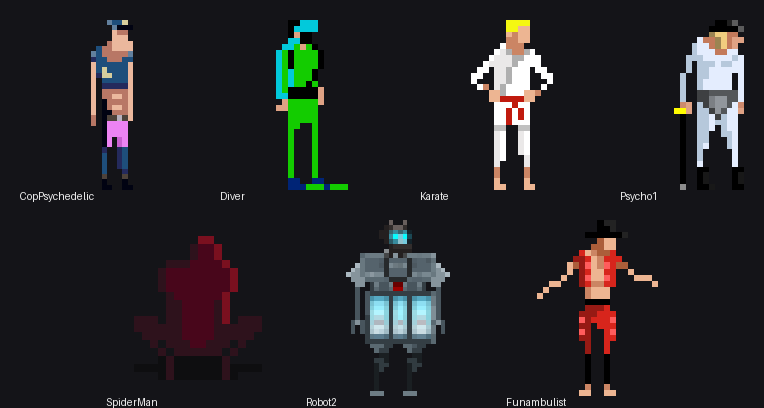
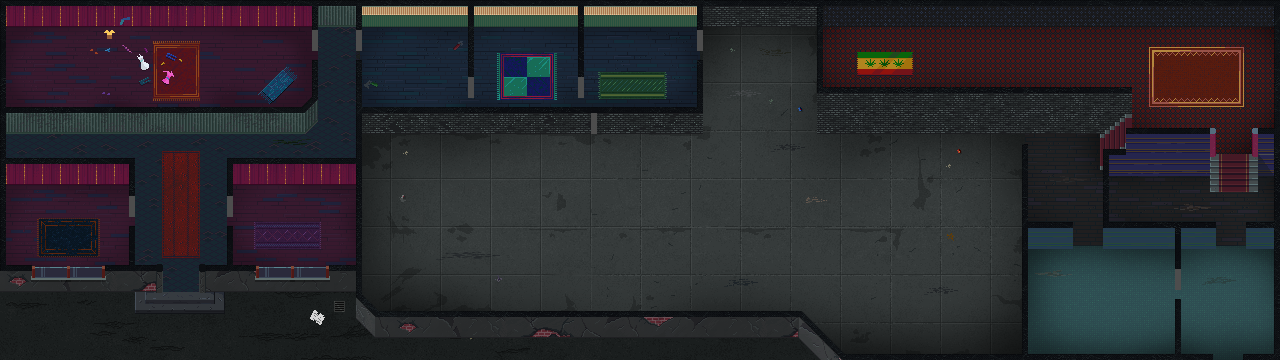
Shortly after launch, in September, the team went to Tokyo Game Show for Sense of Wonder Night (SOWN). Potapenko was listed to present — though the person who actually took the stage was a mysterious blue-haired woman who was clearly not Potapenko, which remains a minor mystery.
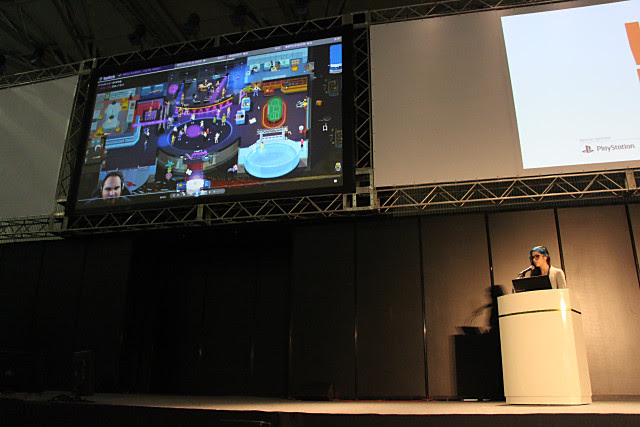
Nine days after Tokyo Game Show ended, PewDiePie uploaded a Party Hard let's-play to his channel.
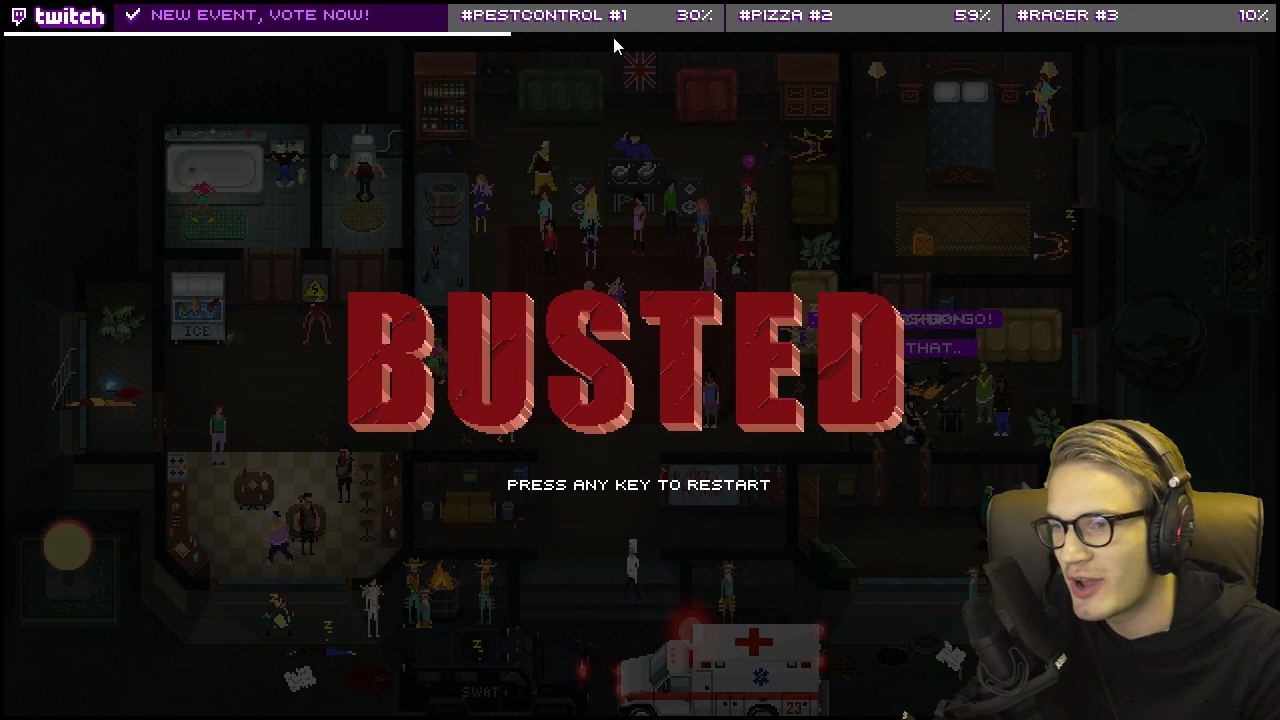
The situation came full circle after almost a year. The little contest game — rebuilt, signed, shown at expos — finally appeared on PewDiePie's channel as a finished commercial product.
Development didn't stop at release. The one-level prototype became a product line that needed long-term maintenance.
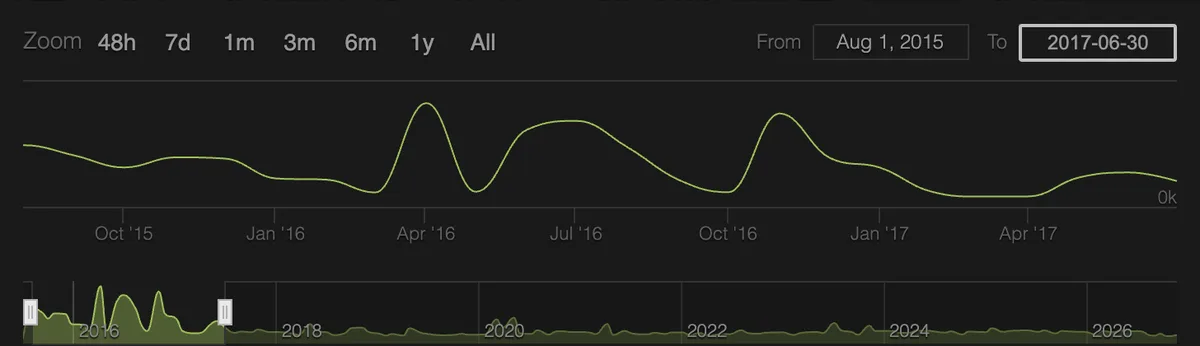
| Date | Event |
|---|---|
| 2015.08.25 | 💻 PC release (Windows, macOS, Linux) |
| 2015.11.20 | 📺 Amazon Fire TV version |
| 2016.04.05 | 👾 Level editor and Steam Workshop go live |
| 2016.04.26 | 🎮 PS4 and Xbox One release |
| 2016.09.16 | 👾 Free DLC Dark Castle |
| 2016.11.10 | 📱 Party Hard Go launches on iOS and Android |
| 2016.11.10 | 👾 Paid DLC High Crimes |
| 2016.11.10 | 👾 Major update: local co-op, new level music, upgraded Twitch integration |
| 2017.06.02 | 👾 Major Workshop update |
| 2017.10.19 | 🆕 Spin-off Party Hard Tycoon enters Early Access |
| 2018.10.25 | 🆕 Sequel Party Hard 2 released |
| 2018.11.22 | 🎮 Nintendo Switch release |
After the Party
After the first game shipped, Pinokl tried to grow the surprise hit into a bigger series.
They explored two directions: one spin-off tried to open a new genre inside the existing world; the sequel tried to expand the original formula with richer systems and presentation.
In October 2017, the spin-off Party Hard Tycoon hit Steam Early Access. It kept the original's world and pixel-art look, but shifted to a management sim: pick a venue, lay out facilities, stock the drinks, hire staff — satisfy guests and turn a profit.
In October 2018, the full sequel Party Hard 2 launched. The team rebuilt it on a new engine, with 3D environments, 2D pixel characters, and real-time lighting for a more dimensional look. Gameplay added item crafting, multi-kills, a "party vision" for finding targets, and a mission system supporting different ways to finish levels.
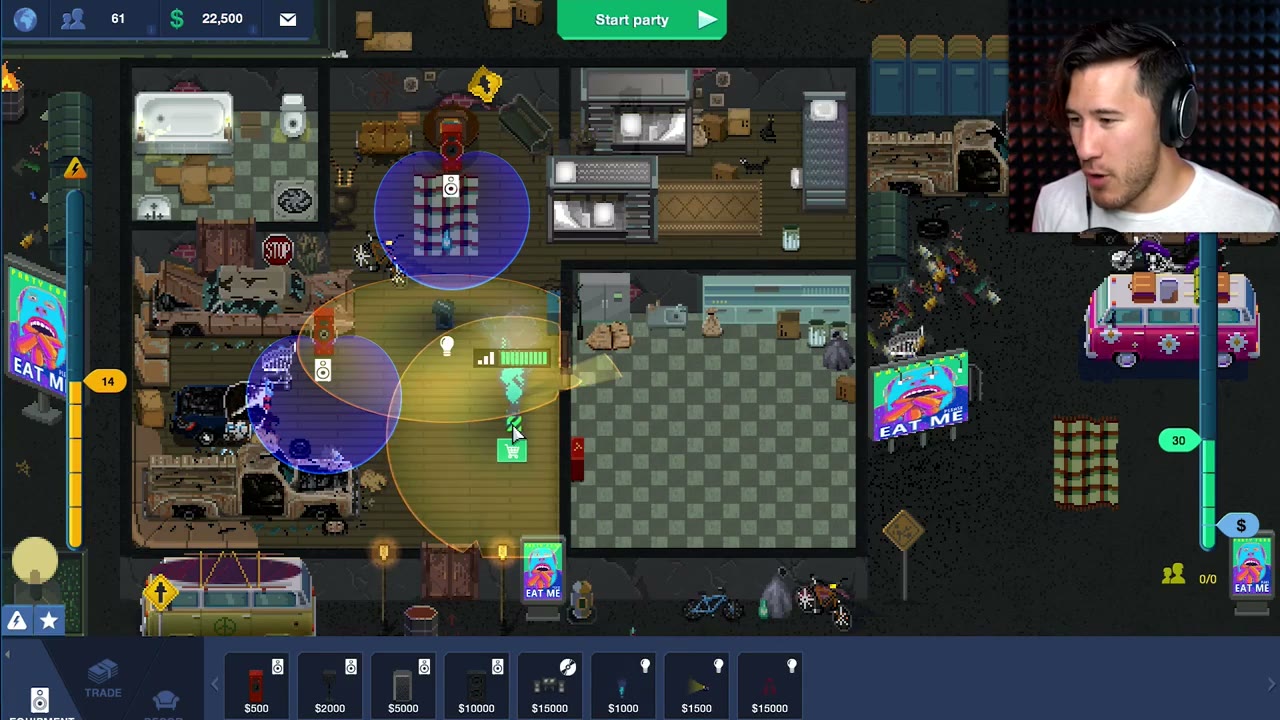
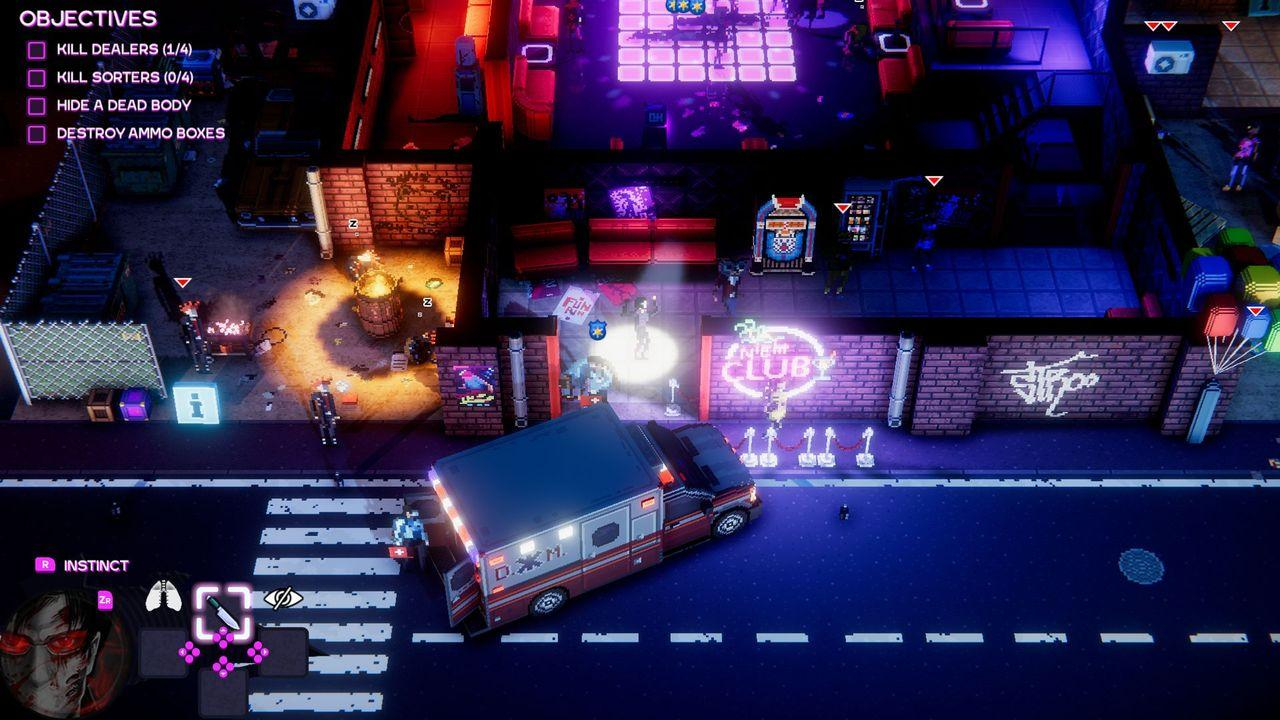
Neither recaptured the original's success.
Party Hard Tycoon never resolved its balance problems. The team initially expected to leave Early Access in about three months, but the game went through rework after rework — an update in February 2019 was still redesigning basics like ticket pricing and customer satisfaction. That update also promised further balance work and a story ending, after which development went quiet. To date, its Steam rating sits around 45%. The project meant to take three months became an indefinite wait.
Party Hard 2 had a smooth release, but sales and reviews both fell well short of the original. The added systems and bigger levels broadened the game while diluting the simple, unpredictable fun that made the first one work. The team kept trying — in March 2019 they released DLC and opened the level editor and Steam Workshop for free — but the updates never brought the series back to the first game's reception.
Starting in 2018, Pinokl's core members began leaving the studio.
Igor ArterchukAlexandr PotapenkoOleksandr PonomarovAlex NichiporchikIn 2018, lead developer Oleksandr Ponomarov left Pinokl and co-founded Sengi Games that December. In 2022, the alchemy adventure The Serpent Rogue, which he directed, was released.
In 2019, the other two co-founders, Alexandr Potapenko and Igor Arterchuk, were working together again at tinyBuild's newly opened Riga studio — Potapenko as producer on Hello Engineer, Igor as lead game designer. The game launched on PC and consoles in August 2023.
Potapenko stayed at tinyBuild in management. Igor moved through several projects, eventually returning to indie development, and released a demo of the cozy game Mini Pond Farm in 2026.
Pinokl released no new games after Party Hard 2. In July 2026, when a player asked on the Steam forums about Party Hard 3, a tinyBuild staff member replied that the studio had dissolved.
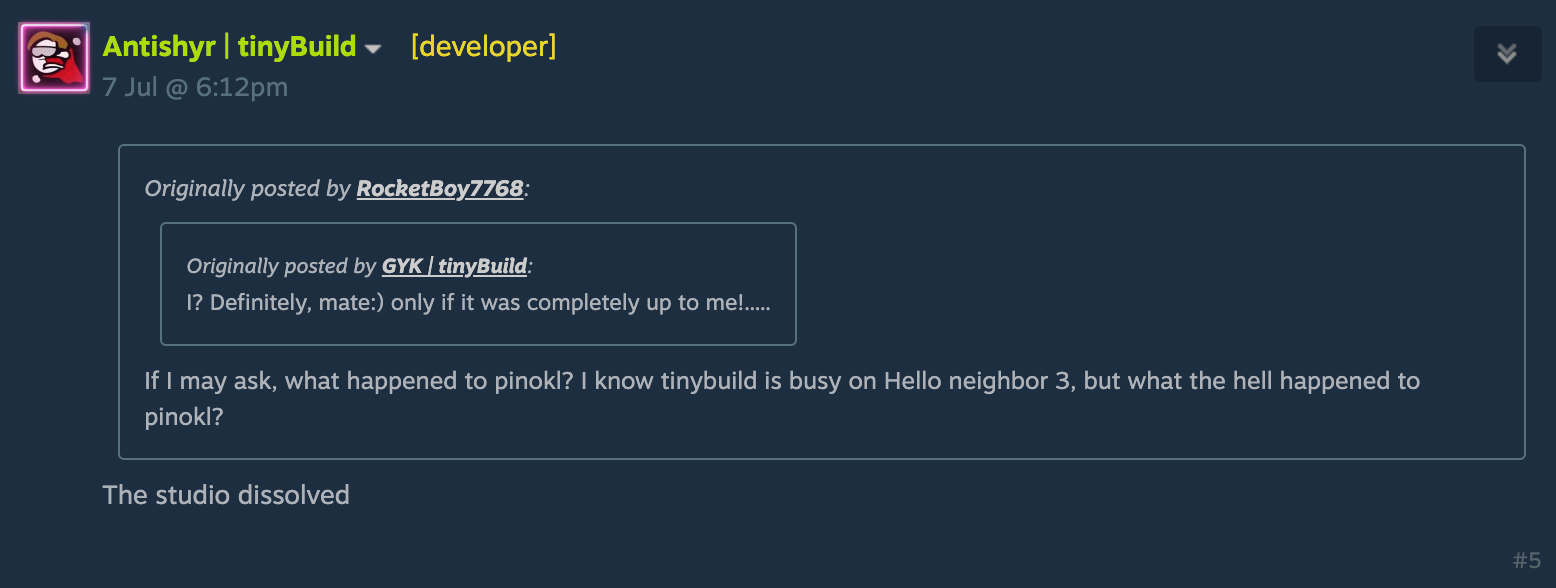
The studio that placed 91st in a game jam and stumbled into a hit came to a quiet end.
Parallel Universes
Turn back to that 2014 "Indies vs PewDiePie" jam, and the same event produced very different trajectories.
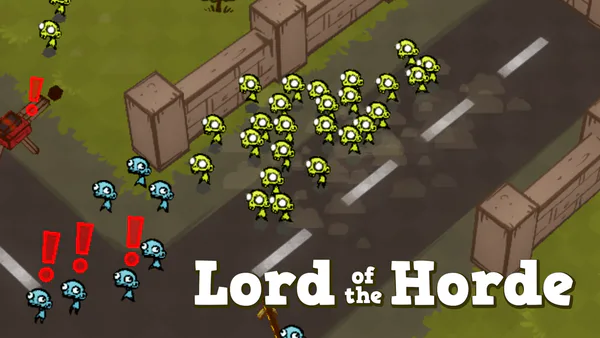
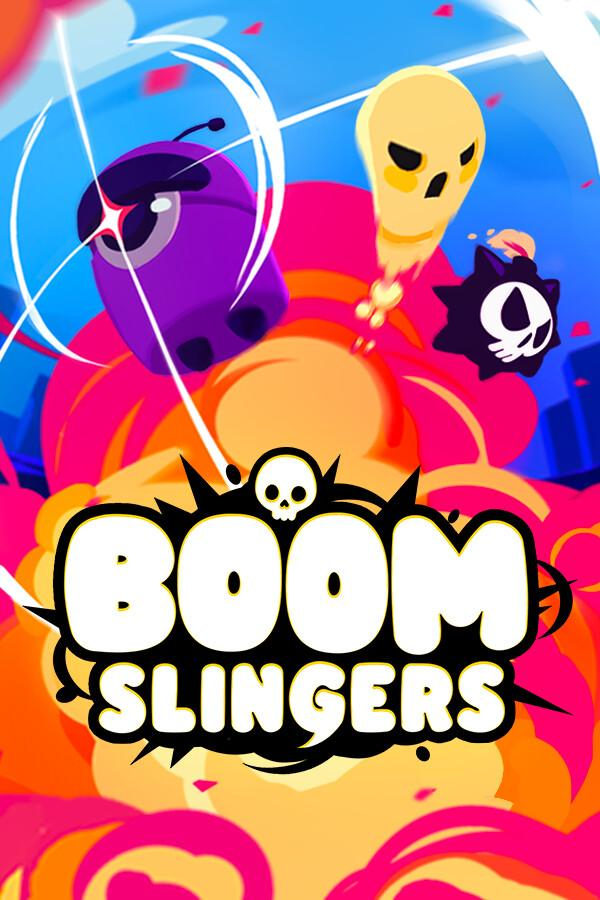
- 1st place: Slothmachine, Lord of the Horde: a three-person Finnish team won with a game about herding zombie hordes. Players hoped they'd expand it into a full title, but no well-known commercial version ever appeared. Team member Miikka Harjuntausta kept making games, though, and co-founded Boom Corp in 2020. The company raised a $1.8M seed round in 2021, and its mobile game Boom Slingers reached millions of downloads.
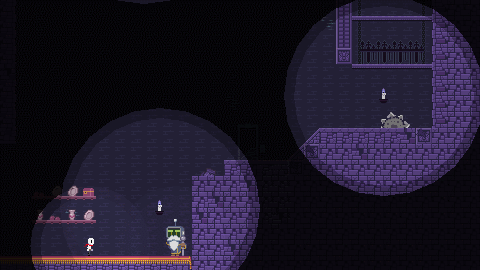
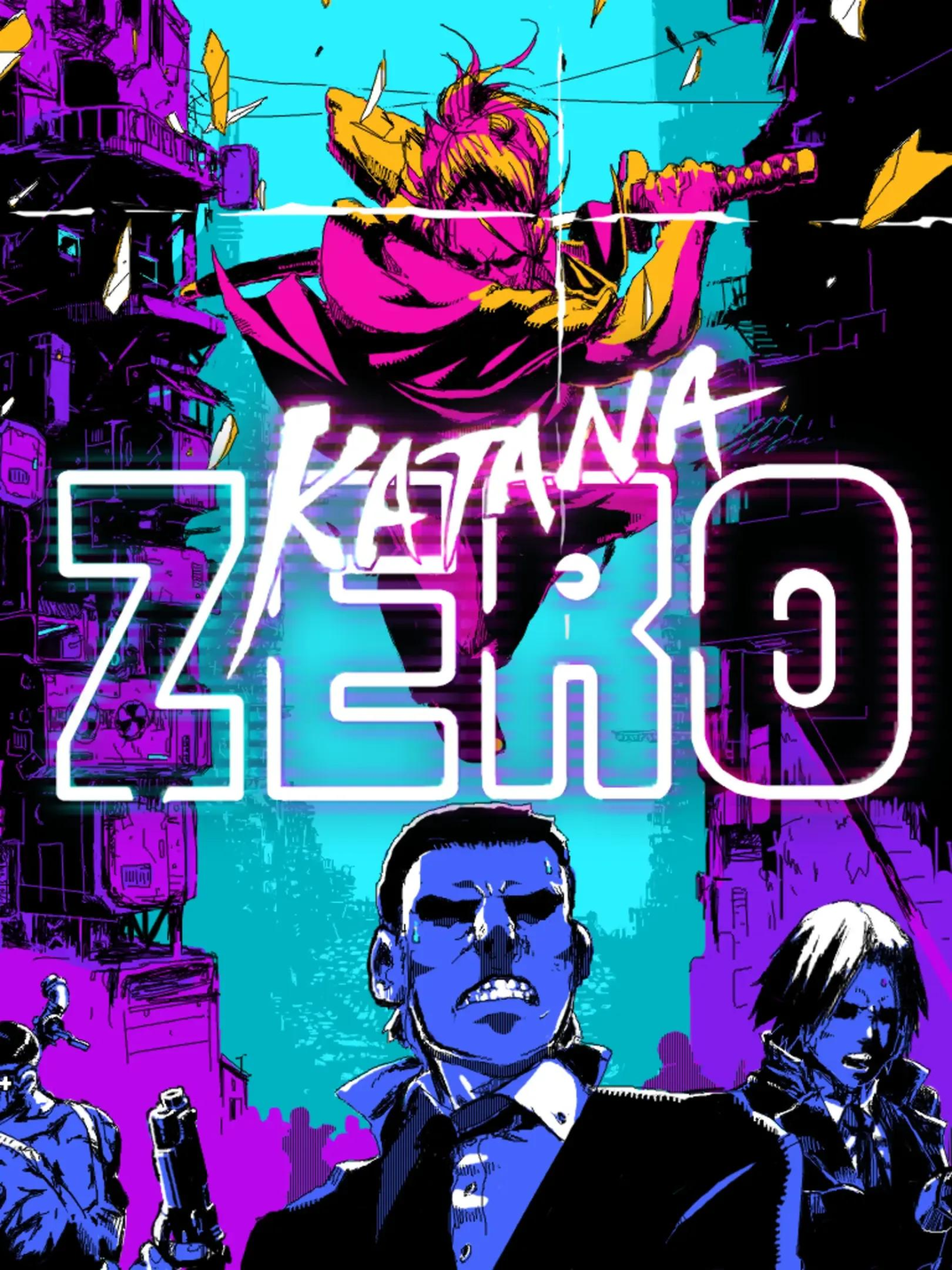
- 4th place: Askiisoft, OverPowered: Justin Stander had already released free games like Tower of Heaven and Pause Ahead before entering, and had started his first commercial project in 2013. After years of work, he released Katana ZERO in 2019. It sold over 500,000 copies in under a year — a breakout indie action hit.
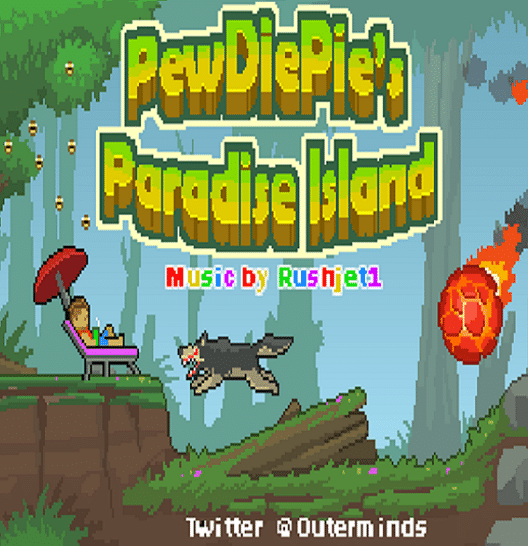
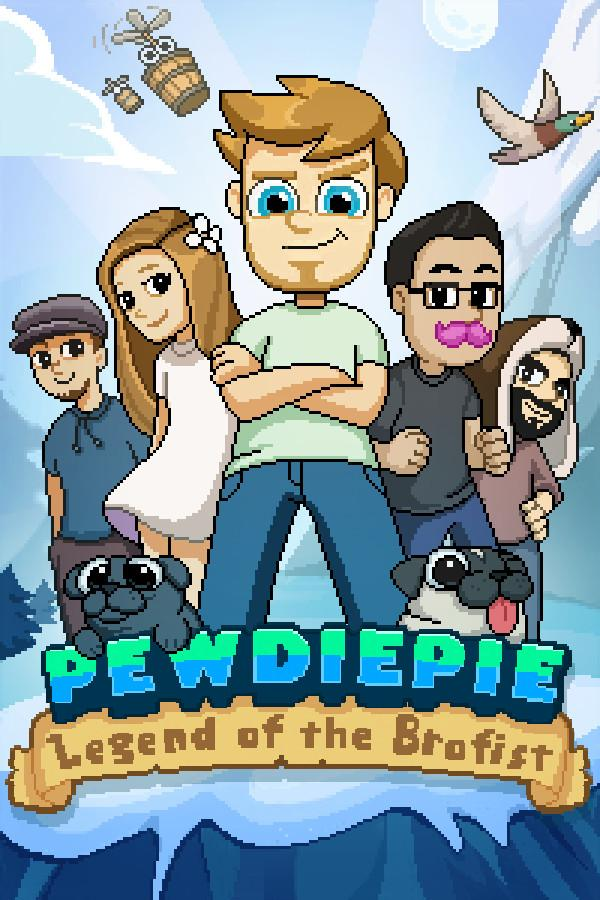
- 5th place: Outerminds, PewDiePie's Paradise Island: the small Canadian team caught PewDiePie's attention even before results were announced. The two sides went on to collaborate, releasing PewDiePie: Legend of the Brofist in 2015 and PewDiePie's Tuber Simulator in 2016, which passed ten million downloads. The partnership grew Outerminds from an obscure little studio into a company with dozens of employees.
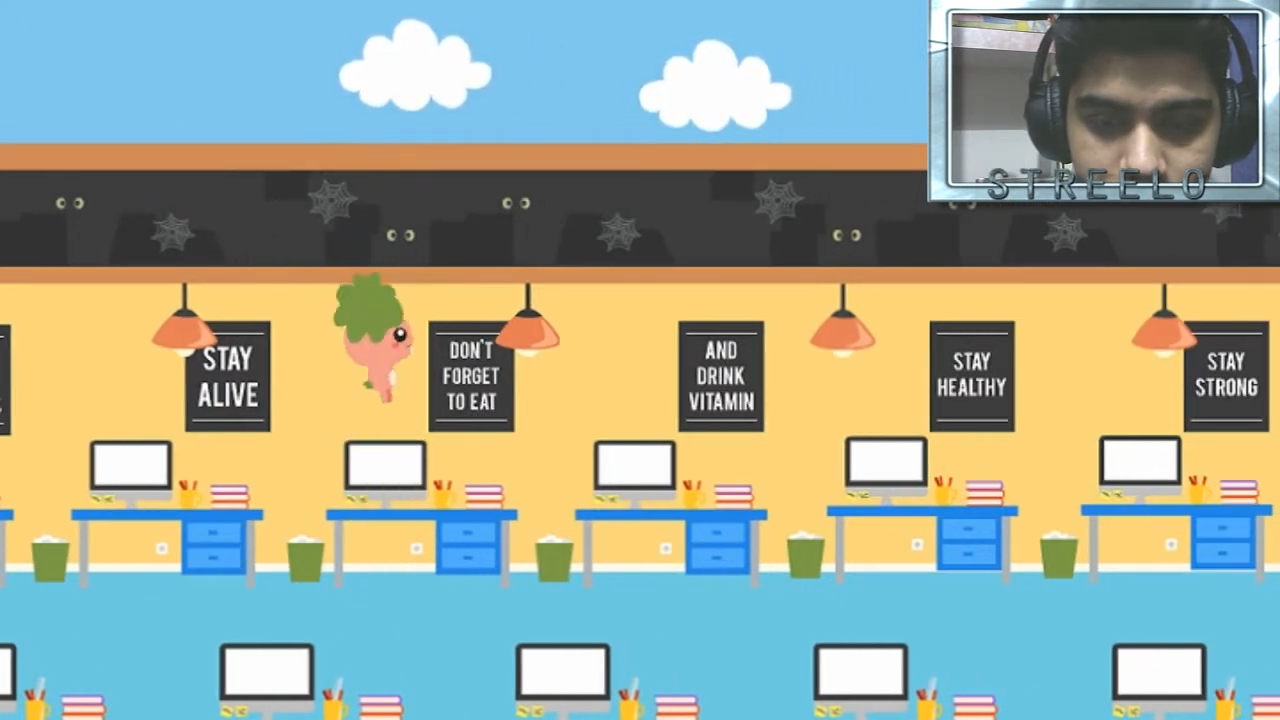
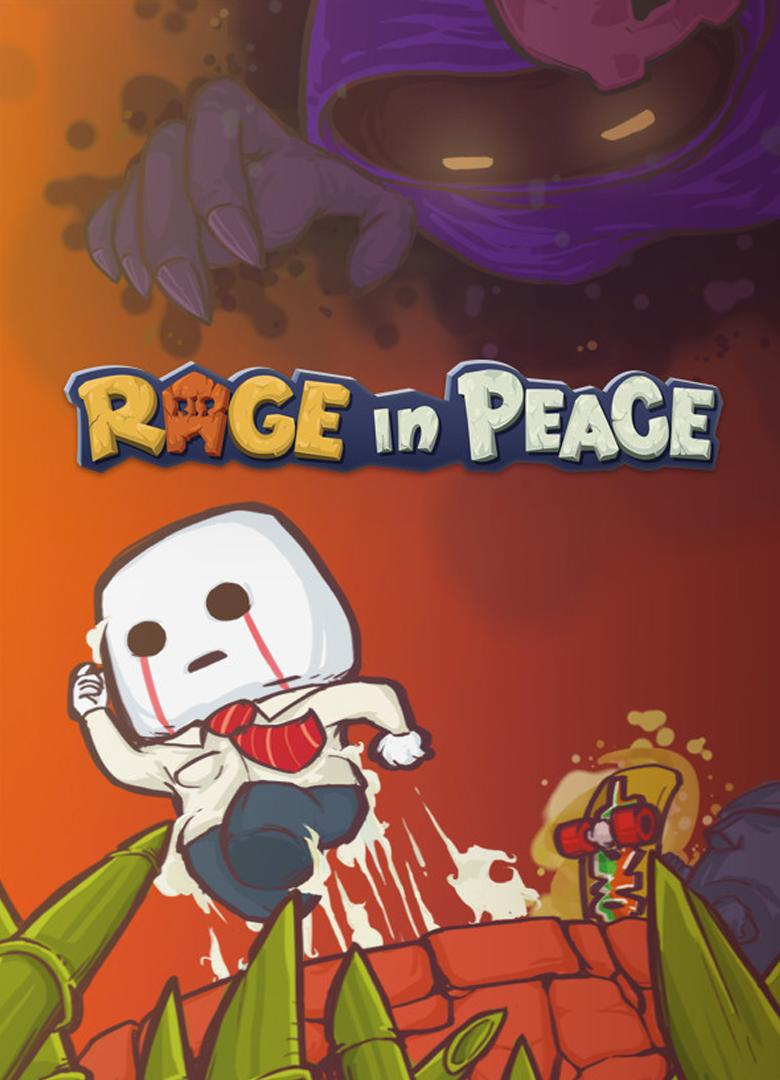
- 17th place: Rolling Glory Jam, Rage in Peace: the Indonesian team didn't even crack the top ten, but their entry still got a brief PewDiePie playthrough. They spent the following years expanding the prototype into a full game, released in 2018 by Toge Productions on Steam and Switch; the next year it won Indonesia's Game Prime Game of the Year. It wasn't a commercial smash, but the studio kept releasing games — What Comes After, Hello Goodboy, and more.
Conclusion
Back to where I started: I still don't know how to make a good game. The real world has no skill tree you can max out for a smooth ride up, and no success template you can copy.
That's the honest picture for most indie developers. No fight for survival, no last-minute cheat-code comeback. Each breakthrough brings new opportunities; each attempt brings new mistakes. Every stage makes progress; every stage leaves something unfinished.
Most things in life work this way — no perfect plan, no permanent fix. For someone thinking about jumping in, this reality check provides the right foundation.
References
Early Work and Game Jams
- Pinokl's early commercial projects and team history: Igor Arterchuk's social-games portfolio, Pocket Gamer's Fruit Story interview, archived Gamesauce Mecha Titans interview.
- Ludum Dare 27 entry and scores: 10 sec. Fast Beef submission (archived), Jam rankings.
- Indies vs PewDiePie 2014 rules and results: PewDiePie's announcement, top-ten playthrough, all jam entries (archived).
- Party Hard's Flash prototype: Game Jolt page (archived), Pinokl's entry video, iTownGamePlay's early playthrough.
Expos, Publishing, and Development
- Casual Connect Europe and GamesJam Kanobu results: GamesIndustry.biz Indie Prize winners, GamesBeat's show coverage, Oleg Chumakov's GamesJam Kanobu winners list.
- tinyBuild's founding, early publishing, and IPO: No Time to Explain post-mortem, tinyBuild company history, London Stock Exchange listing announcement.
- Alex Nichiporchik on the napkin deal, the PAX East playtest, and the design pivot: Party Hard post-mortem, MCV/DEVELOP.
- Streamer playtests and Twitch integration: Jesse Cox at PAX East 2015, GamesBeat on Twitch integration, PewDiePie's release-version playthrough.
- Tokyo Game Show 2015 exhibition records: Sense of Wonder Night program and video, pre-show interview with Alex Potapenko, IGDSHARE report and photos.
- The developers on pixel art and the production process: Game World Observer interview, 80 Level interview.
- Original credits and screenshots: MobyGames credits, tinyBuild press materials, Igor Arterchuk's Party Hard project page.
Series Releases and Updates
- Steam release dates, Early Access notes, and player reviews: Party Hard, Party Hard Tycoon, Party Hard 2. As of November 2026, the original has roughly 3,200 English reviews at 85% positive; the sequel has about 600 at 66%.
- Update history and concurrent players for the original: Steam announcements, SteamDB player history.
- Tycoon balance changes and the sequel's DLC and level editor: Tycoon February 2019 update, Party Hard 2 March 2019 update.
- Igor Arterchuk's project records and images for the spin-off and sequel: Party Hard Tycoon project page, Party Hard 2 project page.
Where the Team Went
- Oleksandr Ponomarov and Sengi Games: SUPERJUMP interview, Sengi Games press kit, The Serpent Rogue credits, Sengi Games on Steam, Spectacular Team: Assemble playtest notes.
- Alexandr Potapenko and tinyBuild Riga: Alex Nichiporchik on the Riga studio, Potapenko's role listing, Hello Engineer credits and release announcement, DUCKSIDE store page.
- Igor Arterchuk's later projects: portfolio, LinkedIn, Futurion and FOUNDRY store pages, Mini Pond Farm demo announcement.
- Pinokl's dissolution: tinyBuild staff reply on the Steam forums, July 2026.
Fellow Entrants
- Slothmachine and Boom Corp: Lord of the Horde win coverage, Boom Corp funding report.
- Askiisoft and Justin Stander: OverPowered entry page, Katana ZERO development story and sales figures.
- Outerminds and the PewDiePie partnership: Chartboost on how the collaboration started, Legend of the Brofist official page, Tuber Simulator on Google Play.
- Rolling Glory Jam's Rage in Peace: Toge Productions official page, Game Prime Game of the Year announcement.